Al-Andalus Innovation Venture 2026
Nov 01, 2026
DeTech 2026 Finalists
July 10, 2026

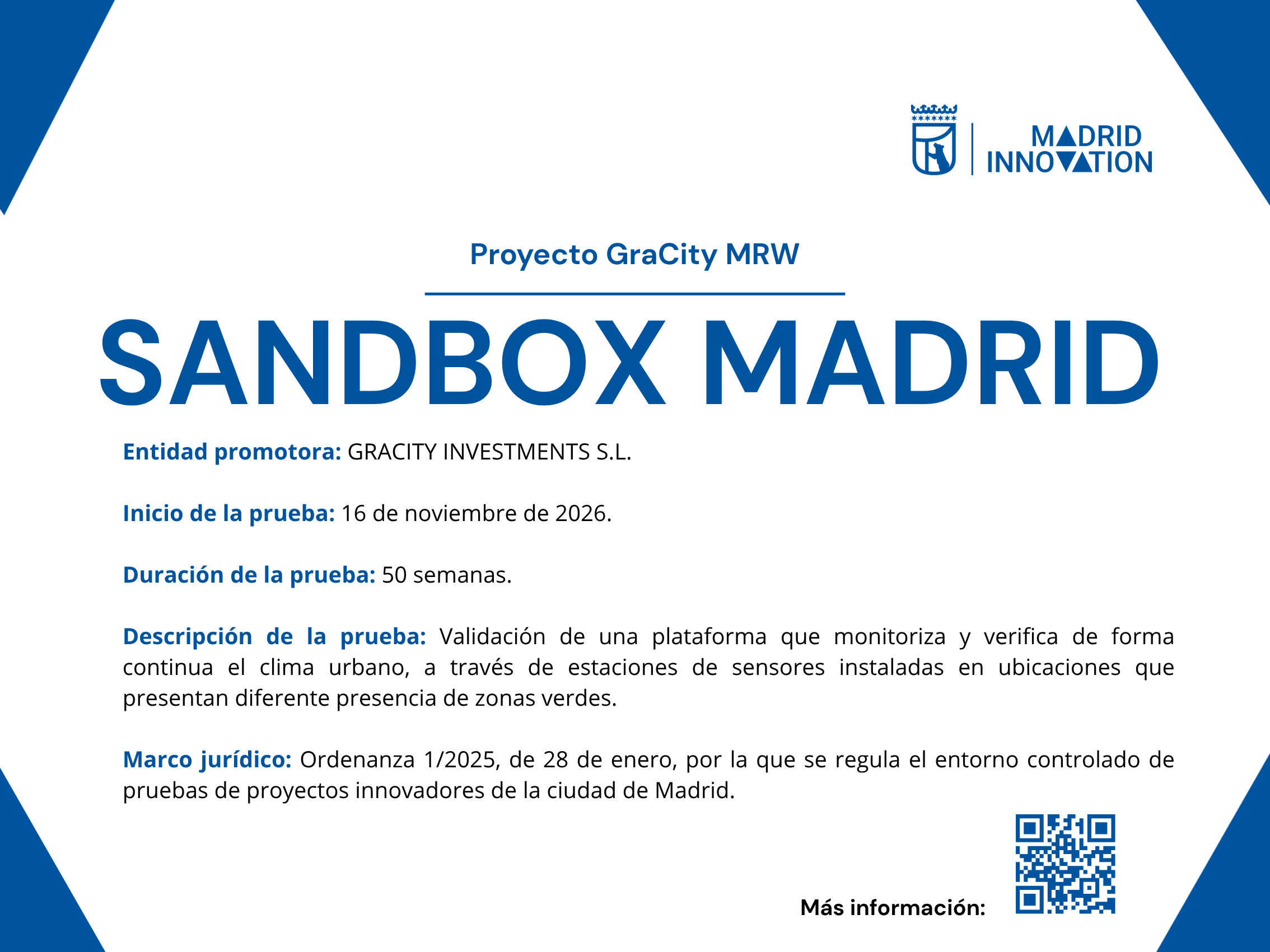
At GraCity, we turn Nature-Based Solutions (NbS) into verifiable, auditable urban infrastructure. Our pilot project at the Madrid City Council’s Circular Economy Innovation Center (CIEC) in Vicálvaro demonstrates how continuous monitoring and telemetry transform a vertical garden into a strategic asset for public health, energy efficiency, and regulatory compliance.
📄 Full Study: Download the Technical & Strategic Report (PDF, Spanish)
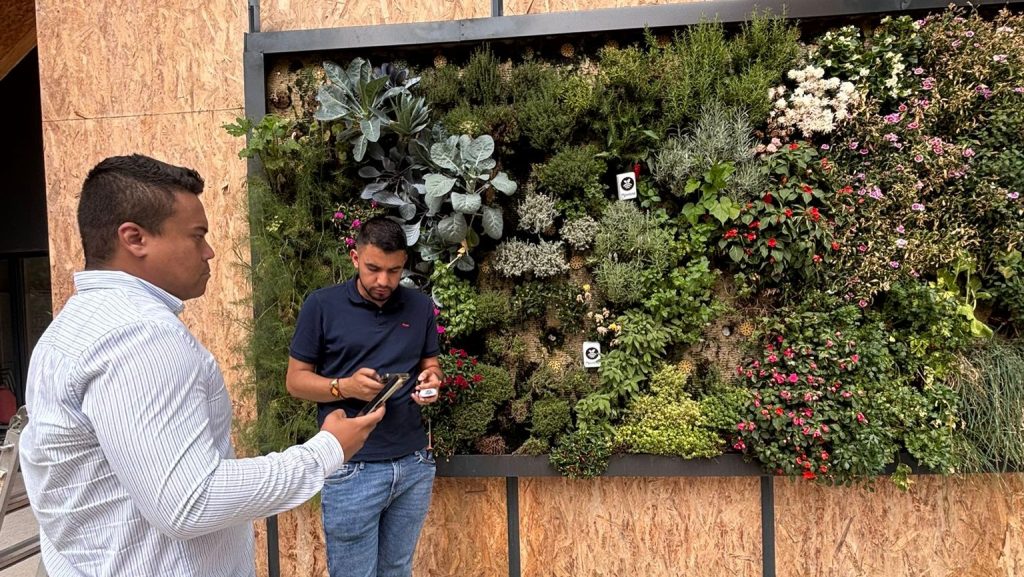
In a 20 m² vertical garden cultivated with edible plants, flowers, and fruits (installed by SingularGreen and maintained through inclusive employment by Fundación Juan XXIII's Inclusive NbS Laboratory), we deployed our telemetry and data governance platform.
Using air quality sensors (AirGradient), substrate probes (Plantae), thermography, and our micro-biodiversity sensor prototype (developed with NaturIOT), we continuously analyzed the ecosystem's real-time performance against an outdoor reference point.
Throughout the validated analysis period, collected data confirmed a direct impact on climate change mitigation and urban well-being:
Through our Measurement, Reporting, and Verification (MRV) framework, we translate environmental metrics into tangible value and ESG audit readiness:
| Impact Dimension | Key Indicator | Estimated Valuation |
|---|---|---|
| Direct Environmental Impact | Energy savings (€161.49), water optimization (€17.57), and CO2 capture (€17.68) | €196.74 |
| Preventive Public Health | 0.1370 QALYs (Quality-Adjusted Life Years) | €3,423.86 |
| Total Direct Benefits | Combined environmental and public health valuation | €3,620.60 |
| Social and Natural Value | Inclusive employment (Fundación Juan XXIII), SROI (3.5x), and biodiversity | €8,250.00 |
Explore the complete methodology, thermal imaging, and KPI breakdown:
Read the full CIEC Madrid Technical & Strategic Report (PDF) or contact the GraCity team to deploy verified environmental intelligence in your urban spaces.
Nov 01, 2026
July 10, 2026
March 15, 2026
March 8, 2026


Privacy Policy Cookie Policy (EU) Legal Notice Website Terms of Use SaaS Terms of Service Contact
® Gracity Investments S.L. 2026 B-22848246
To provide the best experiences, we use technologies such as cookies to store and/or access device information. Your consent to these technologies allows us to process data such as browsing behavior or unique identifiers on this site. Withholding or withdrawing consent may negatively affect certain features and functions.